The benefits of active recovery (and how to do it right)
by Carol Saldanha on Thursday 13 November 2025
3 min read
The benefits of active recovery (and how to do it right)
What do you usually do after an intense, sweaty workout? If your answer is ‘shower and collapse on the couch,’ you could be missing out on the benefits of active recovery. Not sure what it means and why it’s good for you? We’ll break it down for you.
What is active recovery?
In a nutshell, active recovery is doing some low-intensity physical activity after a strenuous workout.
So instead of sitting down to rest and recover (passive recovery), you slow things down with exercises like:
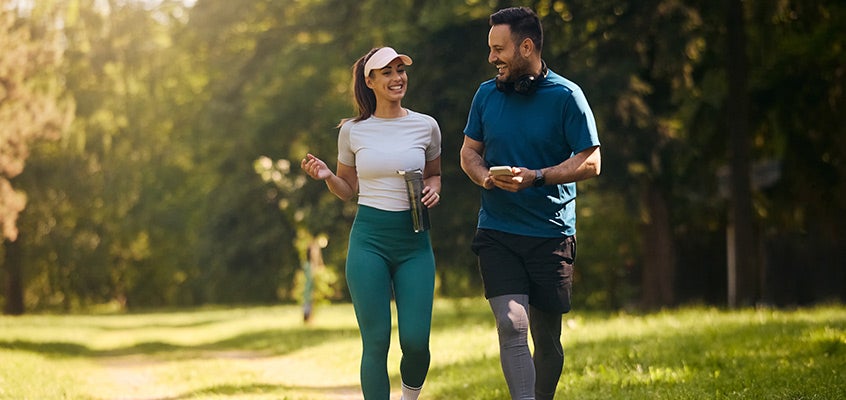
- Walking
- Pilates
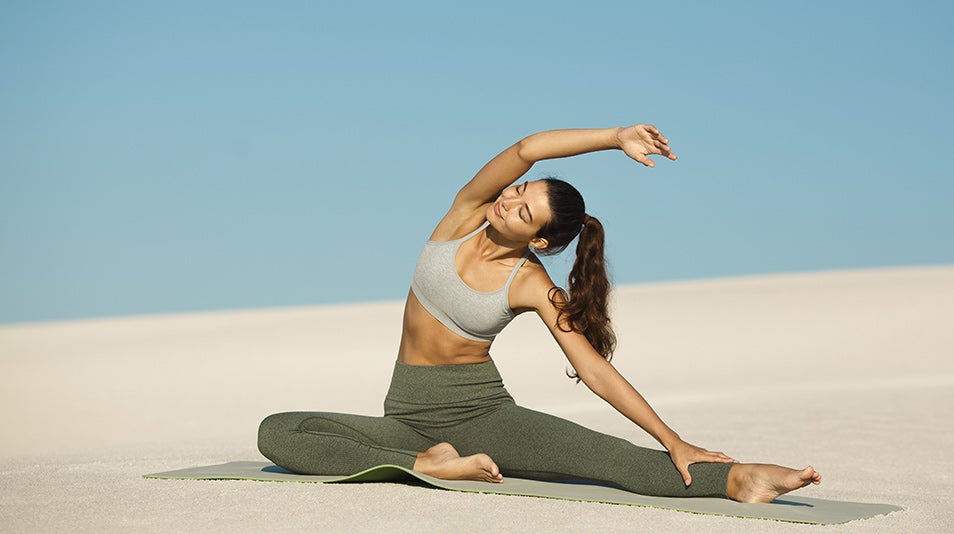
- Yoga
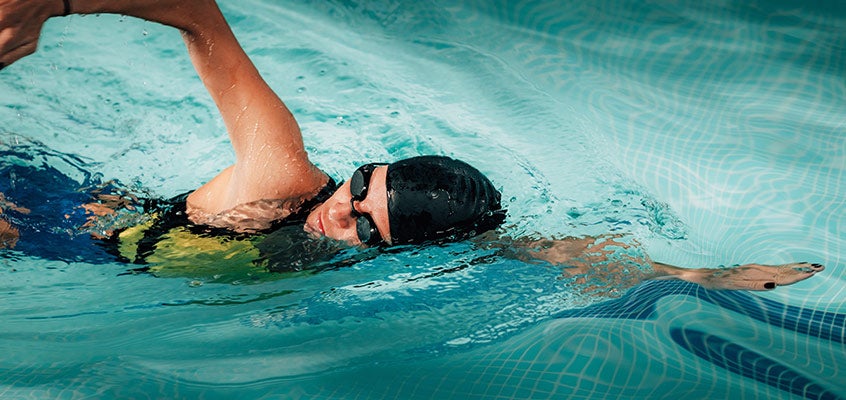
- Swimming, and
- Dynamic stretching.
It might seem counterintuitive to exercise after exercising. But some research suggests that active recovery can reduce soreness and speed up recovery.
Active recovery also applies on rest days between intense workouts. The idea is to stay lightly active rather than sedentary, using gentle movement to support recovery.
Why gentle movement beats doing nothing
It may help reduce muscle soreness and stiffness
Intense exercise can lead to the buildup of lactic acid and other metabolic waste products in the muscles. Studies suggest that active recovery:
- May assist the body in flushing them out.
- Improve the rate at which the body breaks down lactic acid in the blood stream.
This may reduce the levels of muscle stiffness and soreness after intense exercise.
It improves flexibility and mobility and can help prevent injuries
Some active recovery exercises, like Yoga, Pilates and stretching, keep the joints limber. This can prevent stiffness and improve your range of motion.
Active joints with more mobility help reduce the risk of injury in future workouts. That’s because good mobility helps you move efficiently and safely, reducing your risk of getting hurt.
It supports faster muscle repair and growth
Exercises (especially intense exercises) create tears in our muscles. When muscles heal, they grow bigger and stronger. This process happens during recovery and rest.
Low-intensity activity stimulates the muscle fibres and encourages the healing process without causing damage.
It has mental health benefits and improves wellbeing
Low-intensity activities offer a mental refresh that can help prevent burnout as well as a break from the high-intensity sessions.
Staying active during recovery can improve your sense of overall wellbeing. This can help keep motivation and consistency with your fitness routine.
Best ways to do active recovery
Active recovery cooldown after your workout
When you finish an intense workout session, try to cool down gradually. Smashed your Grid Training? You can jump on a stationary bike at an easy pace for a few minutes. Or maybe you can jump on a pool for a refreshing swim workout.
Rest day workouts between your intense activities
Somatic exercises help you focus on how you feel and are also great for increasing your flexibility and mobility.
How to get it right (and what to avoid)
To make sure you’re working at the right intensity for your recovery, here’s a general rule: if you can maintain a conversation while you’re exercising, you’re working at a light-to-moderate intensity.
Active recovery is a great strategy if you're training again within 24 hours of a tough session.
Let’s say you’re preparing for a marathon, and you have a training session the day after a particularly long or intense run. Then a Reformer Recovery class might get you better prepared for your next training session.
But active recovery doesn't need to be lengthy. Even just 20-30 minutes can be effective. But if you feel good and want to go longer, that's okay too.
Always listen to your body and honour your pace. Take a full rest if:
- Your body tells you to rest – you’ll know, trust us
- You’re feeling sick, or
- You have an injury with sharp pain.
Make recovery part of your routine
There you have it, a short, sharp and sweet breakdown of active recovery. If this sounds like the activity for you, then recover and recharge in our dedicated rest and recovery spaces. Stretch out in our recovery zones, swim a few laps, or unwind in our spa or sauna.


Enjoying our blog?
Sign up to our newsletter to get updates on training, healthy living, news and events.