
Your evenings reimagined
by Tuleen Habach on Thursday 12 March 2026
3 min read
Your evenings re-imagined in five simple steps
There’s a lot of advice out there about the “perfect” evening routine. Screens off by 8. Magnesium at 8:15. In bed by 9:00 (ideally after a gratitude practice and a 10-step skincare routine). Exhausting, right?
Ironically, the pressure to unwind perfectly can become its own form of stress.
Your evenings don’t need a rigid rulebook. They just need a soft landing, and what that looks like will be different every night.
1. Start with the moment work ends

The transition begins the second your workday finishes. That moment you close your laptop or walk through your front door – that’s your opportunity to reset.
Instead of launching straight into dinner, emails or life admin, insert a buffer. Even two minutes can help regulate your stress response (we’re keeping this realistic).
Simple stress relief techniques
You don’t need a complicated ritual. You just need a signal. Simple stress relief techniques might include:
- a slow exhale, longer than your inhale
- stepping outside for fresh air, and
- playing a specific song that signals the day is done.
2. Use sensory cues to support better sleep hygiene
Your brain is always scanning for cues. Light, sound, temperature and smell all send signals about whether it’s time to power up or wind down.
Good sleep hygiene begins in the hour or two before bed. Instead of building tomorrow's stiff checklist, focus on your atmosphere. To help set the perfect rest atmosphere, try:
- swapping harsh overhead lighting for a lamp or two,
- lighting a candle or diffusing some calming essential oils,
- putting on slower tempo music, and
- having a warm shower to tell your body it's officially rest mode.
If you need inspiration for water-based wind-down rituals, our guide to 5 essentials for a relaxing bubble bath explores how sensory cues can deepen relaxation.
3. Make movement your release valve
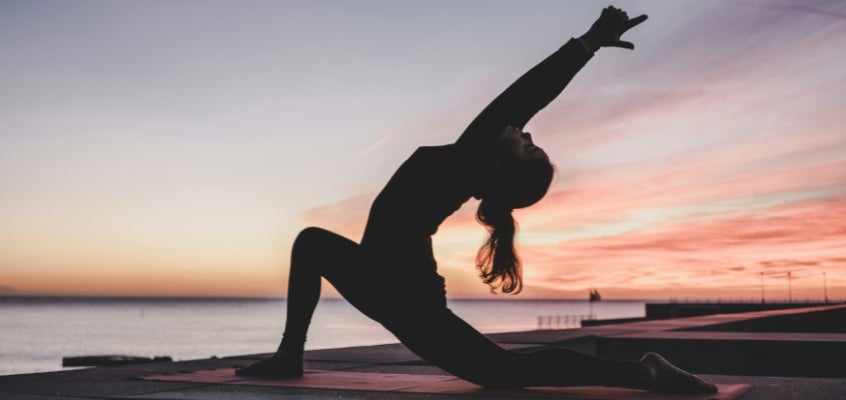
For some people, unwinding means stillness. For others, it means physically shaking the day off, which, if you've ever had that kind of Tuesday, makes complete sense.
Light stretching, mobility work or a gentle evening walk can create a real physical and mental shift. Rather than "winding down" feeling like a passive collapse onto the couch, movement helps you metabolise built-up tension, so your body is ready to rest.
The Sleep Foundation notes that low-intensity evening exercise can improve sleep quality for many people, as long as it isn't overly stimulating (so maybe skip the 9pm HIIT session).
4. Create a digital sunset with mindfulness practices
Raise your hand if you've told yourself "just five more minutes" on your phone and then looked at the time, only to find it's an hour later. Don’t be shy.
Constant notifications keep your nervous system primed and ready to respond. Even when you're physically still, your brain is very much switched on. A digital sunset doesn't mean throwing your phone into the sea (tempting, but dramatic). It just means giving your mind a chance to decompress.
Try:
- setting a "last scroll" alarm
- setting up silent hours on your devices,
- charging your phone outside the bedroom, and
- switching to airplane mode 30 minutes before bed.
If you want to understand more about what screen habits are doing to your mental energy in the first place, our article on digital detox and reclaiming your time and energy is an eye-opener.
5. Embrace flexibility
Some nights you’ll dim the lights, stretch, meditate and sleep like someone who owns matching pyjamas. Other nights you’ll eat cereal on the couch at 10pm and fall asleep mid-podcast. Both are normal.
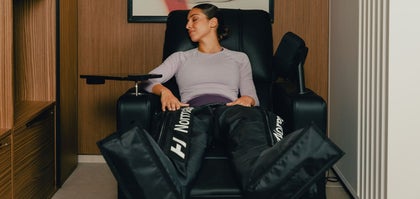
Again, re-imagining your evenings doesn’t have to be complicated. And if you need that extra bit of help to transition from “on” to “off”, having access to a proper recovery space like Virgin Active’s Rest and Recovery facilities makes a real difference. The space includes saunas, spas, and dedicated recovery areas, all of which are designed to help your body shift out of stress mode and into genuine recovery.

Enjoying our blog?
Sign up to our newsletter to get updates on training, healthy living, news and events.