
How to relax your nervous system
by Patrick Ibsen on Wednesday 10 June 2026
4 min read
How to relax your nervous system
Your nervous system is, quite literally, running the show. Before you've had your morning coffee, it's already managed your heart rate, regulated your breathing and decided whether the sound of your alarm is a minor inconvenience or an all-out threat. It's impressive work for something most of us never think about.
But when life gets stressful, the system that's meant to protect you can stay on, 24/7. Understanding your nervous system regulation is the first step towards working with your body rather than against it.
What is the nervous system, and why does it matter?
The nervous system is your body's communication network. It processes information from the environment and coordinates your physical and emotional responses. The part most relevant to stress is the autonomic nervous system (ANS), which operates largely without you noticing it.
The ANS has two key branches:
- The sympathetic nervous system activates your fight or flight response, flooding the body with adrenaline and cortisol to prepare you for perceived danger.
- Your parasympathetic nervous system does the opposite. Often called the "rest and digest" system, it slows the heart rate, lowers cortisol and signals that you're safe.
What’s problematic is that modern life is exceptionally good at keeping the sympathetic system switched on. It’s constantly registering low-level threats, such as:
- Deadlines,
- Screens,
- Poor sleep, or,
- An over-packed schedule.
According to research published in Neuroscience & Biobehavioral Reviews, consistent chronic activation contributes to anxiety, disrupted sleep and physical burnout.
How to get out of fight or flight mode
The good news is your body is designed to recover. Nervous system regulation is something you can actively support. Here's where to start.
Breathwork for nervous system regulation
Breathing is the only autonomic function you can consciously control, and it has a direct line to your stress response. Slowing your exhale activates the vagus nerve, the primary driver of parasympathetic activity. Research from the Journal of Neurophysiology confirms that slow, controlled breathing measurably reduces physiological markers of stress.
Here are three beginner-friendly techniques worth trying:
4-7-8 breathing
Inhale for 4 counts, hold for 7, exhale slowly for 8. The extended exhale is the key.
Box breathing
Inhale for 4, hold for 4, exhale for 4, hold for 4. Used widely in high-performance environments for a reason.
Physiological sigh
A double inhale through the nose followed by a long exhale through the mouth.
On busy days when a full breathwork session isn't doable, even a single intentional breath can interrupt a stress loop. Our guide on how to create calm on busy days has more micro-strategies to add to your toolkit.
The importance of recovery
Physical recovery and nervous system regulation are deeply interconnected. Research published in Frontiers in Physiology reveals that quality rest periods following exercise are when the body returns to parasympathetic dominance, supporting both physical repair and stress reduction. Recovery gives your nervous system the signal that it can stand down.
How sleep supports your wellbeing
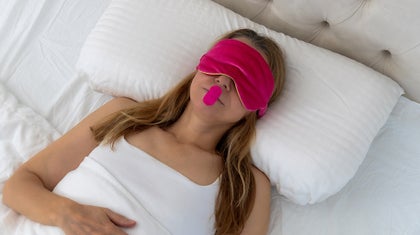
Sleep is arguably the most powerful way to regulate your nervous system. During deep sleep, like REM sleep, your cortisol drops and parasympathetic system takes over. During this time, your brain clears the stress your hormones have accumulated throughout the day. The National Sleep Foundation recommends 7 to 9 hours for most adults, noting that chronic sleep deprivation keeps stress responses elevated even in the absence of external pressure.
Your evening routine plays a significant role in priming the nervous system for quality sleep. Sensory cues that help signal safety to your body can be:
- lowered lighting,
- reduced screen time, and
- a consistent wind-down window.
For useful ways to reshape your nights, our article with a guide to your evenings reimagined is a great place to start.
Take your recovery further at Virgin Active
Establishing a solid practice for relaxing and regulating your nervous system is easier in the right environment. Virgin Active's recovery facilities, including saunas, spas and dedicated rest areas, are designed to help your body shift out of sympathetic overdrive and into genuine restoration. If you want to combine breathwork, movement and mindfulness in one wonderful session, then our yoga classes will do the trick.4


Enjoying our blog?
Sign up to our newsletter to get updates on training, healthy living, news and events.