A guide to dry recovery
by Patrick Ibsen on Wednesday 19 August 2026
3 min read
A guide to dry recovery
Not every recovery session needs a pool, plunge or soak. Enter dry recovery: a collection of techniques that support your body without a drop of water involved. If you're chasing active recovery that fits into a normal day, this one's for you.
What is dry recovery?
Dry recovery covers any recovery method that skips water-based tools like spas or cold plunges. Instead, it relies on physical techniques and equipment, such as:
- foam rollers,
- massage guns
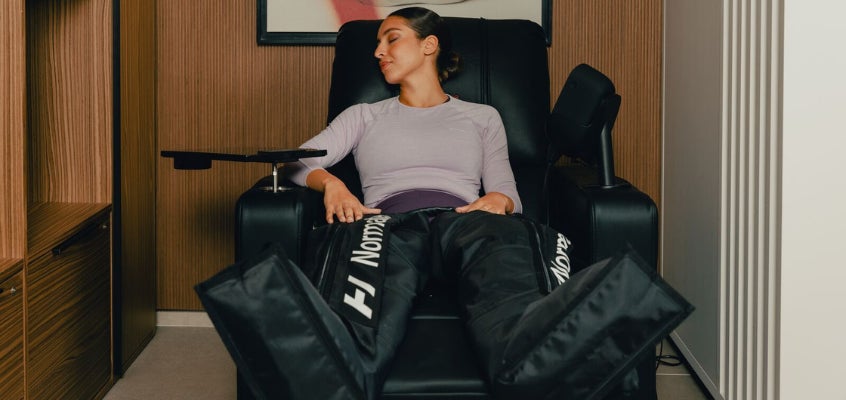
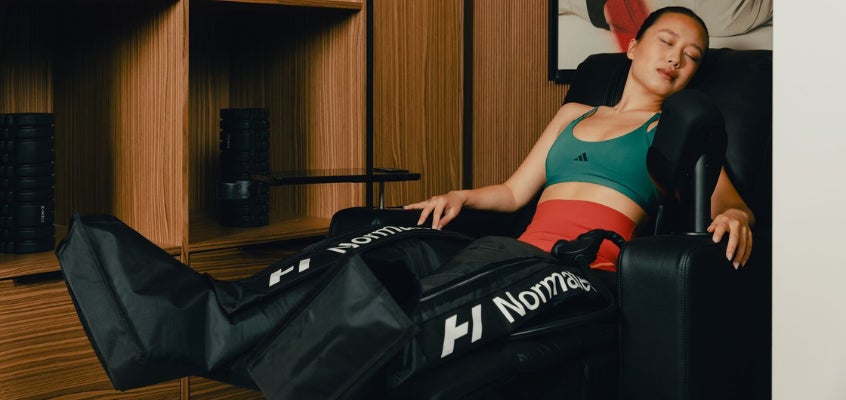
- compression boots, and
- good old-fashioned stretching.
These can all ease muscle tension and support your body's natural repair process.
Another difference between dry and water-based recovery comes down to mechanism. Water-based methods, like contrast therapy, use temperature shifts to influence blood flow. Dry recovery works through direct pressure, movement and mechanical stimulation instead. Both have their place, and plenty of people use a mix of the two.
Common dry recovery techniques
Foam rolling
Foam rolling applies pressure to tight muscles and connective tissue, helping to release tension and improve mobility. It's one of the most accessible muscle recovery tools around, and a few minutes after training can make a noticeable difference.
Stretching and mobility work
Static and dynamic stretching keeps your joints and muscles moving through their full range. Regular mobility work is one of the simplest forms of injury prevention and recovery, and it doubles as a warm-up for your next session.
Massage guns
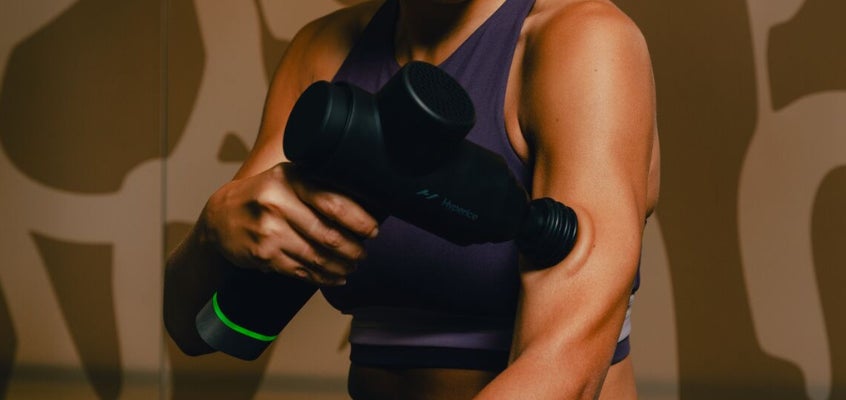
Muscle recovery tools like Therabody's Theragun deliver rapid pulses into muscle tissue, which can help with muscle tension relief and improve local circulation. They're quick, targeted and easy to use while cooling down.
Compression boots
Compression boots use pneumatic pressure to promote circulation in the legs. This can be useful to ease heaviness after leg day or a long run. It's a passive way to support recovery without lifting a finger.
Why active recovery deserves a spot in your routine
Building active recovery into your workout can improve flexibility, reduce muscle tension and support better performance over time.
It's not the flashy part of training, but it's often the part that determines whether you back up for your next session feeling ready or flat.
Recovery also plays a genuine role in injury prevention and recovery more broadly. Tight, fatigued muscles are more prone to strain, so giving your body time and attention between sessions helps keep small niggles from becoming bigger problems.
An example of a recovery routine
You don't need an hour or a fancy setup. Try this:
- Post-workout (5-10 minutes): foam roll major muscle groups you've trained.
- Evenings (10 minutes): static stretching, focusing on hips, hamstrings and shoulders.
- Weekly: a session with compression boots or a massage gun on your legs and arms.
- As needed: pair with a sauna session or explore how lymphatic drainage might support your goals.
Consistency matters more than intensity. A short routine after every workout does more to reduce soreness than an occasional deep-dive session.
Make recovery a part of your workout plan
Whether you're training for a specific goal or just trying to feel better in your day-to-day, working active recovery into your routine is one of the more sustainable ways to reduce soreness after a workout.
Curious about rounding out your recovery toolkit? Explore Virgin Active's dry recovery facilities at Bligh St and Bondi Westfield, and find the combination that works for you.
Don’t go to those two spaces? Don’t worry! We’ve got exciting things coming to your local Virgin Active gym.



Enjoying our blog?
Sign up to our newsletter to get updates on training, healthy living, news and events.