The science of truly switching off
by Patrick Ibsen on Tuesday 13 October 2026
3 min read
The science of truly switching off
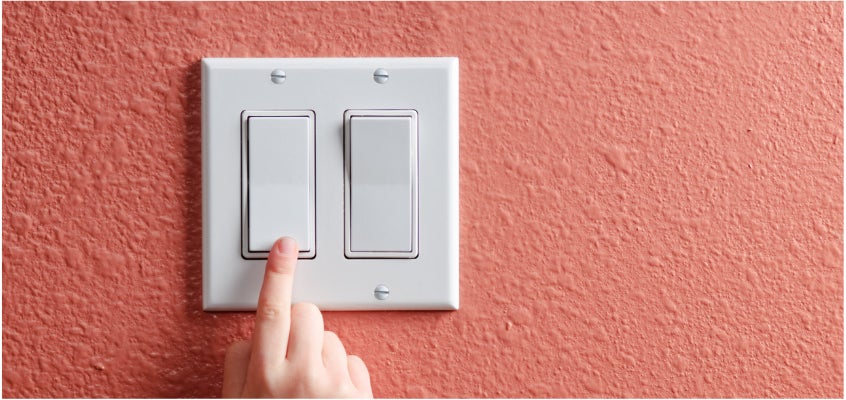
You finish work, sink into the couch and reach for your phone. Twenty minutes later, you've watched a stranger renovate a bathroom and replied to three group chats. Technologically, that was rest. Neurologically, not so much. Real self-care starts with understanding why your brain struggles to power down. And how to hit the ‘off switch’.
Why we're always switched on
Notifications, screens and a steady stream of information keep the brain on alert, even when the body is still. One study in the Journal of Experimental Psychology found that phone notifications alone significantly disrupted a person’s performance on a task requiring their attention, even when people don’t need to touch their devices
Research in PNAS also found that reading on a light-emitting device before bed delayed the body clock and dulled next-morning alertness, compared with a printed book. So, if you're searching for how to stop overthinking at night, a glowing screen in bed, like scrolling on your phone, is more fuel than fire extinguisher.
Now, we aren’t going to browbeat you, a healthy lifestyle doesn't demand a phone detox. But these five practical ways to reduce screen time can help take the edge off.
What happens when you switch off
A 2022 PLOS ONE meta-analysis of 22 studies found breaks of ten minutes or less were linked to higher energy and lower fatigue. Longer breaks tended to help performance on creative and clerical tasks. Among the most underrated productivity tips is simply stopping.
How to switch off (beyond just turning off your phone)
Change your scenery with some greenery
Step outside. A Stanford-led PNAS study discovered that a 90-minute walk in nature reduces rumination (that loop of repetitive negative thoughts). It also lowers activity in a brain region linked to negative thoughts.
Interestingly, an urban walk did not. The study didn't actually test why, though. But the likely reason is that a walk along a noisy, busy road doesn't draw your mind away from your worries the way a peaceful natural setting does.
You don't need a set 90-minute walk each time, but strolling in some green space is worth your effort.
Move, then be still
A short walk, stretching and slow breathing are simple stress relief techniques that need no equipment. Add a few quiet minutes with a book or a cuppa, and you're setting yourself up for zen and calm.
Create a switching-off ritual
Your brain like cues. A consistent ritual – or a cue - signals to the brain that the working day is over. That could be a jog around the block, a fitness class, a hot shower or breathwork (mindfulness for beginners, basically). Or even reading that book on your nightstand.
Think of it as self-care with a start time. It's the same principle behind creating calm on busy days: small, repeatable anchors beat grand plans.
Make space for real downtime
Waiting for bedtime or the weekend is like waiting for an empty tank before refuelling. Build pauses into the day instead, like:
- a three-minute breather between meetings
- lunch away from your desk, or
- a lap of the park at 3 pm.
These small resets are shorter stress relief techniques, that build healthy lifestyle habits and productivity booster, all at once (What value!).
Reset with a class at Virgin Active
Switching off is about creating intentional space between stimulation and rest. Small changes to your environment, routine and relationship with technology add up. Pair this with some considered exercise for a holistic approach.
Reformer Pilates and Yoga pair movement with breath, which incorporate useful stress-relief techniques and is a friendly way to approach mindfulness for beginners.
Virgin Active’s Sound Bath utilises guided breathwork to help you stay present in your body, stop overthinking and relax your mind. Book a class and give self-care and a healthy lifestyle a proper diary entry.



Enjoying our blog?
Sign up to our newsletter to get updates on training, healthy living, news and events.