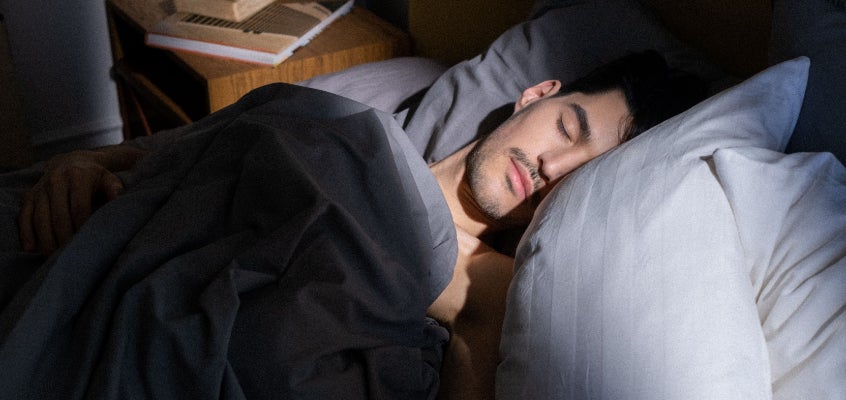
Your body clock explained
by Carol Saldanha on Tuesday 13 October 2026
3 min read
Your body clock explained
Have you ever asked yourself, “Why am I always tired?” Or maybe you’re wide awake at 11 pm but could easily sleep through three alarms at 7 in the morning? Your body clock might have something to do with it.
Known as circadian rhythm, this internal timing system helps organise our lives. And while you can’t wind it forward and back with a tiny key, your everyday habits can help keep it running more smoothly.
What is circadian rhythm?
Circadian rhythm is the body’s natural 24-hour cycle. It helps regulate our sleep-wake pattern and other processes including hormone release and digestion. Its biggest cue? Light.
Light and darkness are among the main signals that help regulate your circadian rhythm. When light hits your eyes, your brain gets the message that it’s time to wake up and stay awake. On the other hand, when darkness arrives, your body starts to prepare to sleep.
So, while your body clock does plenty behind the scenes, what you do between dusk and dawn can influence the signals it receives.
Why your daytime habits matter for sleep
Your body clock responds to cues throughout the day, not just at bedtime. These cues influence a healthy circadian rhythm which then impact the quality of your rest. That’s why sleeping better at night starts with your daytime routine.
Here are some habits that can help you get better quality Z’s.
Get some morning light
Try to soak in some natural morning light after waking. It can help reinforce the difference between daytime and nighttime.
No intricate sunrise meditation ritual required. Open your blinds and bask in the morning glow, drink your morning beverage outside or take a morning walk. It all counts!
Keep caffeine intake on your radar
That 3 pm coffee might feel essential, but your bedtime self may disagree. Research shows that caffeine consumed even six hours before bedtime could disrupt sleep.
Sensitivity varies, so if you’re wondering how to fall asleep faster, experimenting with an earlier caffeine cut-off could be one place to start. Hey, there’s always decaf!
Give your days some rhythm
Our body clock likes a good, old routine. Keeping your sleep and wake times reasonably regular can help support your circadian rhythm. Meal timing and movement may also interact with the body’s internal clocks.
Think consistency, not military precision. Keeping relatively consistent routines gives your body more predictable cues about which part of the day it’s in.
How to sleep better at night
Good sleep hygiene is less about chasing the perfect routine and more about giving your body clear cues that the day is winding down.
A few sleep hygiene tips worth trying are:
- Keep your sleep and wake times relatively consistent.
- Dim bright lights as bedtime approaches.
- Create a bedroom that is dark, quiet and comfortably cool.
- Give yourself some time to wind down before bed.
- Move scrolling, work emails and other stimulating activities away from lights-out.
Explore more ways to reimagine your evening routine.
Can exercise help you sleep better?
Heck yeah! Research has found regular exercise is associated with better sleep quality. Exactly when you move is personal. Evening exercise doesn’t automatically mean a bad night’s sleep. However, intensity, timing and how your body responds all matter.
One person may finish an evening workout pleasantly exhausted. Another may leave a late HIIT class ready to reorganise the garage.
A morning gym session, lunchtime walk or after-work class can all give movement a regular place in your day. But rest might be in order on other days, so make the most of it.
What can disrupt your body clock?
Late nights, jet lag, shift work and irregular schedules can all disrupt your usual sleep-wake rhythm.
When life knocks things sideways, you don’t need to reset your entire life overnight. Focus on a few anchors, such as:
- a return to a regular wake time
- get daylight during the day
- stay active, and
- keep evenings calmer and dimmer.
And when you need help slowing things down, explore Virgin Active’s rest and recovery amenities.
If sleep problems or excessive daytime tiredness persist, speak with a healthcare professional.


Enjoying our blog?
Sign up to our newsletter to get updates on training, healthy living, news and events.