
Do we actually need that much protein?
by Tuleen Habach on Thursday 12 March 2026
3 min read
Do we actually need that much protein?
Protein, protein, protein. It’s in your cereal, yoghurt, snack bars, and somehow even in your coffee. Scroll for five minutes on your socials and you’d think we’re all one missed scoop away from losing our gains.
Which raises the question; do we actually need that much protein? Or are we just being very well marketed to?
Let’s unpack it together.
Why protein is everywhere
Protein isn’t new and, believe it or not, neither is the hype around it.
We know protein plays an essential role in the body. It supports muscle repair, immune function, hormone production and overall tissue health. If you’re training regularly, it’s especially important for muscle recovery.
But somewhere between “important nutrient” and “add it to absolutely everything”, the message got blurry. Now it can feel like if your snack isn’t high protein, it doesn’t count. And that’s where things start to get confusing.
How much protein do we actually need?

The recommended daily protein intake for the average adult is around 0.8 grams per kilogram of body weight per day. For people who are regularly active, that number increases, often closer to 1.2–2.0 grams per kilogram, depending on training intensity.
It’s important to remember though, that’s a range. If you’re strength training multiple times a week, your needs are different to someone walking the dog and calling it cardio (still counts though).
The key point? More isn’t automatically better. Your body can only utilise so much protein at a time, and the rest doesn’t magically turn into extra muscle.
Protein rich foods
Here’s where things get interesting. There’s a difference between prioritising protein rich foods and panicking about protein at every meal.
Healthy eating means having balanced meals, which include lean proteins, wholegrains, healthy fats and fibre. Together, these contribute toward good health and protect you from chronic diseases more than obsessively chasing macros. You don’t need to track every gram to build healthy eating habits. In fact, for many people, that level of tracking becomes exhausting fast (and not in the muscle-building kind of way).
A practical approach? Aim to include a source of protein in most meals. Eggs at breakfast. Chicken, tofu or legumes at lunch. Fish or beans at dinner. Add nuts or Greek yoghurt as snacks if needed.
Simple, sustainable, and you definitely don’t need a calculator for it.
Squeezing protein into your daily diet isn’t as hard as people think. Here are 5 high-protein snack ideas to help you get started.
What about the protein powder?

Ah, the scoop question.
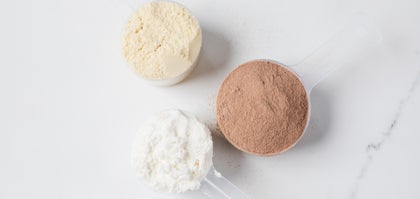
In reality, protein powder is just a convenience product. If you’re struggling to meet your protein needs through whole foods (especially if you’re training hard), then protein powder can be useful. It’s quick, portable and easy post-workout.
But if you’re already eating balanced meals with sufficient protein, you don’t need to force a shake into your afternoon - your blender can have the day off.
Muscle recovery foods matter
Protein plays a role in muscle recovery foods, but recovery isn’t just about protein. Here are some essential recovery elements to add to the mix:
- Carbohydrates help replenish glycogen.
- Fats support hormone health.
- Micronutrients support cellular repair.
- Sleep and hydration matter too, probably more than you think.
Carbohydrates in particular often get unfairly villainised, but they are a key part of recovery and performance. If you’re still unsure, this is your reminder that carbs are not the enemy.
Healthy eating habits start with small, consistent and intentional choices, so stop overcomplicating your diet and begin taking simple steps toward changing your food habits.
So, do we need that much protein?
Here’s the verdict: you probably don’t need as much protein as the packaging suggests.
It depends on your activity level, your goals and your overall diet. If you’re training consistently, building strength or focused on muscle recovery, protein absolutely matters. But it works best as part of a balanced approach, not as the hero ingredient of every single thing you eat.
If you’re unsure what your body needs, that’s where professional guidance can help. Virgin Active’s Personal Trainers provide practical, realistic nutritional advice tailored to your goals and lifestyle. So, instead of guessing your recommended daily protein intake or panic-buying another tub of powder, you can build a plan that works for you.


Enjoying our blog?
Sign up to our newsletter to get updates on training, healthy living, news and events.