
Stop overcomplicating your diet
by Patrick Ibsen on Sunday 08 June 2025
3 min read
Stop overcomplicating your diet
Let's face it – we're drowning in nutrition advice. Eat this, not that. Chew exactly 32 times. Only consume carbs when Mercury is in retrograde while standing on one foot.
Okay, maybe that last one isn't real (yet), but you get the point.
You know what the reality is? Nutrition doesn't need to be so complicated. Overcomplicated diets are often why people give up on their health goals altogether. So, let's strip it back to what works.
Back to basics: simple nutrition that works
The energy equation still matters
Despite what some influencers might tell you, ‘calories in vs. calories out’ remains the central principle of weight management. This doesn't mean you should obsessively count every kilojoule. Instead, understand that energy balance matters.
As we've explored in our article on navigating a calorie deficit, being mindful of portions while staying satisfied is possible with the right approach.
Focus on whole foods (most of the time)

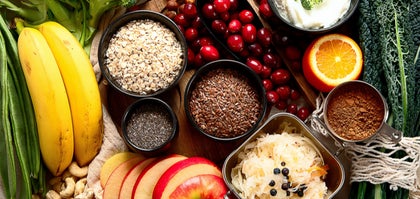
Whole foods – that is, those without long ingredient lists – tend to be more filling, nutritious, and better for maintaining consistent energy levels. Think:
- fruits,
- vegetables,
- lean proteins,
- whole grains, and
- healthy fats.
Looking for quick and easy meals that support your health goals? Build them around these whole-food ingredients. A simple protein like salmon paired with roasted vegetables can be ready in 20 minutes. Trust us, this does more for your body than any "diet" meal replacement.
Does this mean never enjoying ice cream again? Hell no! Which brings us to...
Enjoy your food (yes, including treats)
Restriction leads to rebellion. Food is meant to be enjoyed, not feared. Include foods you like in your diet and save room for occasional treats. The most sustainable diet is one that doesn’t feel like a sacrifice.
Research shows that overly restrictive diets, which aren’t personalised, typically fail. Instead, accept that strict expectations and “perfect” behaviour is unrealistic. People who adapt their diets when things don’t go as planned, are more likely to successfully maintain their diet in the long run, than those who don’t.
Become a food label detective

Many products claiming to be "healthy" are just clever marketing. A "natural" protein bar with 25g of added sugar isn't doing you any favours. Learning to quickly scan nutrition panels can help you spot these wolves in sheep's clothing.
As we've discussed in our article on common food myths, many "health foods or condiments" aren't what they seem.
Stay hydrated
Often, what we interpret as hunger is really thirst. Drinking enough water supports virtually every bodily function, helps control appetite, and improves energy levels. Aim daily for at least three litres if you’re a man, and two litres if you’re a woman. Drink more water if you're active or when it's hot.
Embrace quick, healthy eating
You don't need complicated meal plans to eat well. Focus on simple, nutritious options that can be prepared quickly. A well-stocked pantry and fridge with versatile ingredients means you're always ready to throw together quick and easy meals without resorting to takeaway.
Listen to your body's cycles
For women, hormonal fluctuations throughout the month can significantly impact hunger and energy levels. During menstruation, the body requires slightly more calories (around 100-200 extra per day) due to the extra energy demands. Recovery from illness and injury often requires more calories as well.
Instead of fighting these natural cycles or recovery recommendations, work with them. Honour your hunger when it increases and focus on nutrient-dense foods that satisfy.
Be sure to check out our article on 'What to eat during each stage of your menstrual cycle' for more information on this topic.
Keep moving
Exercise does more than just burn calories – it changes how your body processes food. Regular movement improves:
- insulin sensitivity,
- enhances digestion, and
- helps regulate appetite hormones.
As we've explained in our article about how you can't exercise your way out of an unhealthy diet, nutrition and exercise work best as partners, not substitutes.
Real wellness is simple (but not necessarily easy)
The basics of good nutrition aren't necessarily complicated, but they can be hard to stick to. Consistency isn't always easy in our modern world of temptation and conflicting information.
The good news? Small, workable changes generally outperform dramatic overhauls. Focus on gradual improvements rather than dietary perfection. Every great journey begins with a single step.
Learning how to eat, move and be healthy doesn't require a degree in nutrition science. Sometimes, the healthiest, most simple recipes are the ones that focus on whole foods and proper portions, not complicated ingredients or preparation methods.
Remember, the best diet is one that:
- Provides enough energy for your day.
- Includes foods you genuinely enjoy.
- Aligns with your lifestyle and preferences.
- Can be maintained long-term.
Strip away the unnecessary complications, trust the fundamentals, and find a balanced approach to nourishing your body.
If you need more guidance on nutrition, chat with one of our friendly Personal Trainers. They can help guide and support your quick and easy meal plans.


Enjoying our blog?
Sign up to our newsletter to get updates on training, healthy living, news and events.