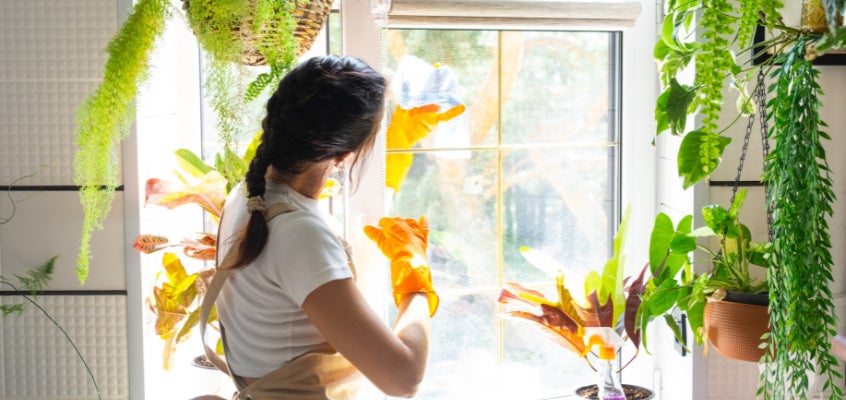
The wellbeing benefits of a spring clean
by Patrick Ibsen on Tuesday 15 September 2026
3 min read
The wellbeing benefits of a spring clean
There's a reason your brain feels lighter after you've cleared the kitchen bench. Your environment is an active participant in how you think, feel and function. When your space is cluttered, your mind tends to follow. But there are some simple things you can do to free up your mind and home.
Why your environment matters
A widely cited study published in the peer-reviewed journal Personality and Social Psychology Bulletin found that women who described their homes as cluttered or full of unfinished projects showed flatter, less healthy cortisol patterns throughout the day compared to those who described their homes as restful.
In plain English, a messy space can quietly keep your stress hormones elevated, even when nothing dramatic is going on.
This is the real case for spring cleaning. It's not about seeking a perfectly styled home – that’s unrealistic. Instead, it's about giving your nervous system less to process, so there's more headspace for the things that actually matter.
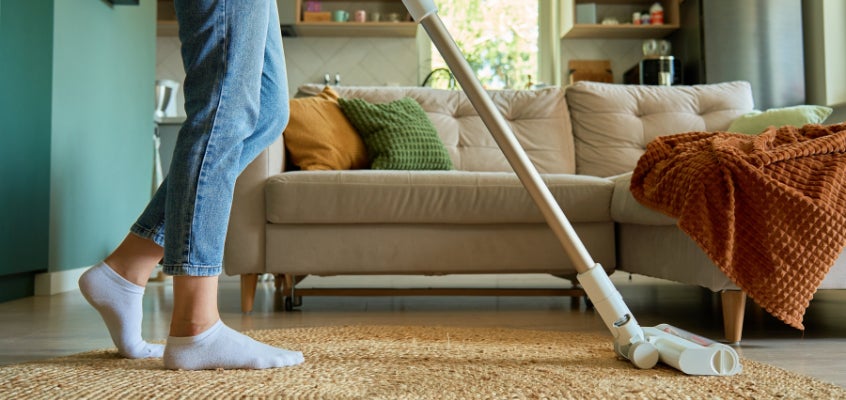
The benefits of decluttering your home
Better focus
Clutter competes for your attention. Every pile of paperwork or overflowing drawer is a small, nagging task your brain hasn't ticked off yet. Clear the physical noise and you'll likely notice you can concentrate for longer. That could be on a work project or a Sunday afternoon novel.
Less overwhelm
A tidy space tends to feel more manageable, and manageable feels calmer. This is one of the quieter benefits of decluttering your home: it's less about grand transformations and more about removing the low-level friction that builds up day to day.
A genuine sense of accomplishment
There's something satisfying about a finished job you can actually see. A cleared-out wardrobe or an organised pantry gives you visible proof of effort. It may be a small victory, but it’s a real mood boost.
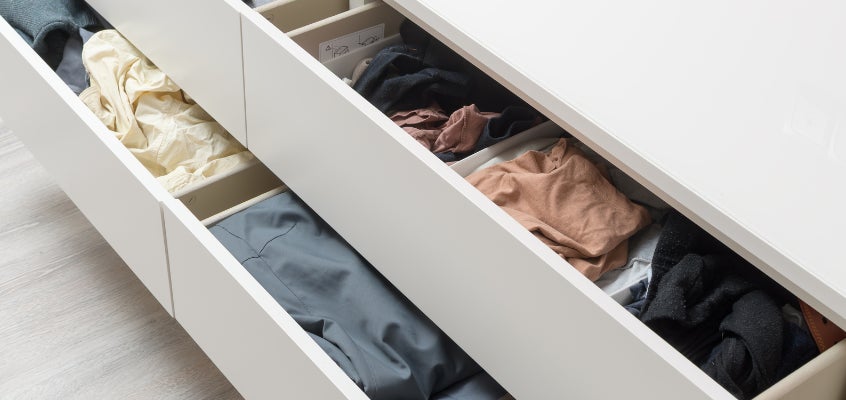
Where to start
Spring cleaning doesn't need to happen in one exhausting weekend. Some practical declutter tips to keep things realistic:
- Pick one zone (a drawer, shelf, or single room) rather than cleaning the whole home at once.
- Sort into keep, donate and toss piles, and commit to moving them on the same day.
- Set a timer for 20 minutes and see how you feel after time has elapsed. You could stop or want to keep going.
- Deal with "maybe" items – like whether you want to organise your bathroom shelf – last.
For a deeper dive into decluttering both your space and your headspace, our blog, six tips to declutter your home (and mind) is worth a read.

How to create lasting decluttering habits
Now, throughout the article we’ve said ‘spring’ clean, but in reality, home organisation isn't a once-a-year event. It's a few habits that will make it easier to maintain over time. Here’s how you can get a system going:
- Have a designated spot for everyday items.
- Do a five-minute clean before bed – try to make the home or a dedicated room the same as it was at the start of the day.
- Willingly let go of things that no longer earn their place.
You don't need to fully commit to minimalist living to feel the benefit. Even a slightly more intentional approach to what comes into your home makes a difference in the long run.
The final spruce
Just as a clear space supports a clear mind, recovery supports it too. Our dry and wet recovery facilities are designed to help you reset physically as well as mentally. This way you're walking into a fresher space in every sense.


Enjoying our blog?
Sign up to our newsletter to get updates on training, healthy living, news and events.