Is ‘fibremaxxing’ worth the hype?
by Patrick Ibsen on Tuesday 15 September 2026
3 min read
Is fibremaxxing worth the hype?
Fibremaxxing is having a moment. Scroll through your feed and you'll spot chia puddings, psyllium husk shots and people proudly tallying up their daily fibre grams.
But is fibremaxxing actually good for you? Or is it just the latest wellness trend wearing an oat-based disguise? Here's what the fuss is about, and whether it's worth changing your plate for.
What is fibremaxxing?
As well as giving your spell check a run for its money, fibremaxxing does what it says on the tin. It's a deliberate strategy to boost daily fibre intake through whole foods, and sometimes supplements, in pursuit of a specific gram target.
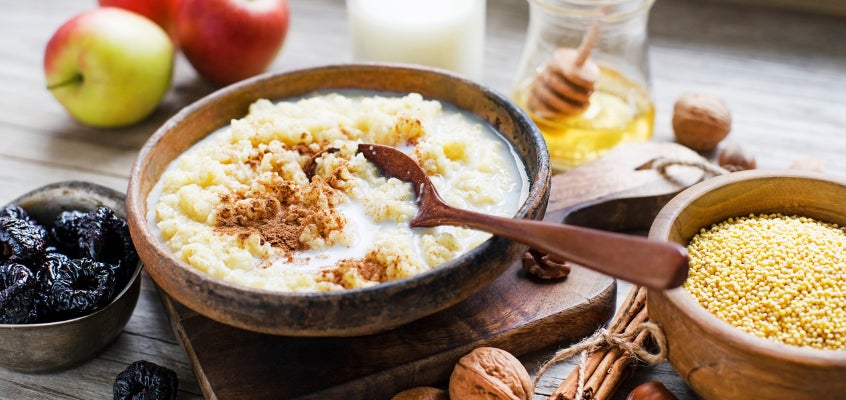
The trend has grown alongside a wider shift towards gut health awareness. Now more people are calculating how much fibre they should be eating per day to feel and function at their best.
Fibre has essentially become the new ‘protein’ of the wellness world. The benefits of a high fibre diet are dominating conversations from group chats to gym floors.
Why fibre is your friend
Underneath the hype, fibre earns its street cred. When fibre reaches your large intestine, gut bacteria ferment it into short-chain fatty acids, which are compounds shown to support a healthier gut microbiome and improve markers of metabolic health. This is the science behind fibre and gut health.
Those same short-chain fatty acids also play a role in blood sugar regulation. Research has linked dietary fibre to improved glucose metabolism and better insulin response. This helps regulate blood sugar by slowing the rate at which glucose enters your bloodstream. In reality, this means fewer energy crashes after meals.
When it comes to feeling full, a systematic review of cereal fibres found favourable effects on appetite and fullness. In short, fibre keeps you feeling fuller for longer, a handy tool if you're managing weight or simply trying to stop snacking by 2 pm.
How much fibre per day should I aim for?
The reality, though, is that a national nutrition survey of over 12,000 Australians found only around 28% of adults met this basic target.
Easy ways to eat more fibre
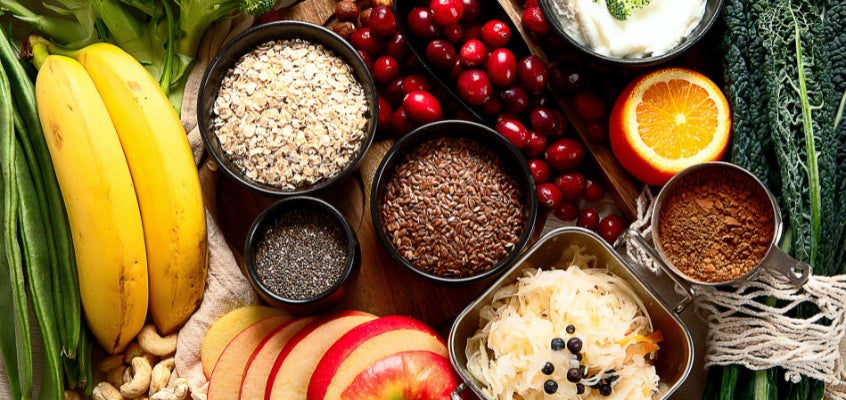
In short: You don't need powders or gimmicks. Some of the best high fibre foods are already sitting in your kitchen.
- Swap white bread, rice and pasta for wholegrain versions like multigrain bread, brown rice and wholemeal pasta.
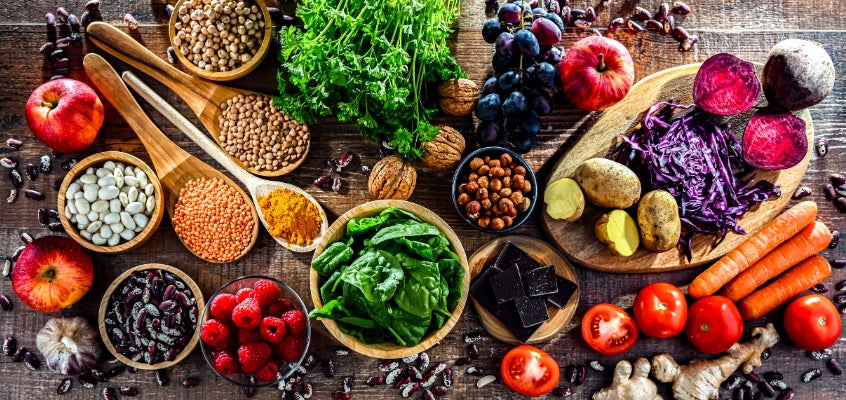
- Add legumes like lentils, chickpeas or black beans to soups and salads.
- Keep the skin on fruit and vegetables where you can, as this where fibre is mostly concentrated.
- Snack on nuts, seeds or a handful of berries.
- Stir chia or flaxseed through porridge or yoghurt.
For a deeper look at choosing foods that work harder for you, check out our guide on understanding nutrient density.
Note: If you’re planning to incorporate chia or flaxseeds into your diet, speak with a qualified nutrition professional about the appropriate preparation and serving method for your individual needs.
Can you have too much fibre?
Yes, and this is where fibremaxxing can go sideways. Clinical research shows that pairing a high-fibre diet with adequate water intake improves digestive comfort, while ramping up too quickly without enough fluid can lead to:
- bloating
- cramping, and
- constipation instead of relief.
If you're also cleaning up other parts of your diet, our guide to what an anti-inflammatory diet looks like is a helpful read.
A final point on fibremaxxing
Fibre is genuinely important, and the best high-fibre foods deserve a permanent spot on your plate. But fibremaxxing as an all-or-nothing pursuit misses the point. Balance beats extremes, every time.
Need an easier way to boost your intake? Swing by Kauai or Ü Health at your local Virgin Active for smoothies, bowls and snacks packed with wholefood fibre, no counting required.


Enjoying our blog?
Sign up to our newsletter to get updates on training, healthy living, news and events.